


Hot Mix vs Cold Mix Asphalt: Which to Choose For Your Road Project
Key Takeaways:
Hot Mix vs Cold Mix Asphalt: Which is Better for Road Projects?
- Hot mix asphalt is best for long-term durability and heavy traffic, making it suitable for major road works and infrastructure projects.
- Cold mix asphalt is ideal for quick repairs and temporary fixes, especially in urgent or wet conditions.
- The choice depends on project needs: hot mix offers better long-term value, while cold mix provides a faster, more flexible short-term solution.
Introduction
Selecting the right asphalt material is one of the most critical decisions in any road construction or maintenance project. Whether you are managing infrastructure works, planning a resurfacing programme, or coordinating road repair in Singapore, understanding the differences between materials can directly impact performance, cost, and long-term durability.
When comparing hot mix asphalt vs cold mix asphalt, the decision is always about finding the material most appropriate for your specific project requirements, not which is inherently superior. This article breaks down the differences, use cases, and decision factors to help businesses make informed choices.
What is Hot Mix Asphalt (HMA)?
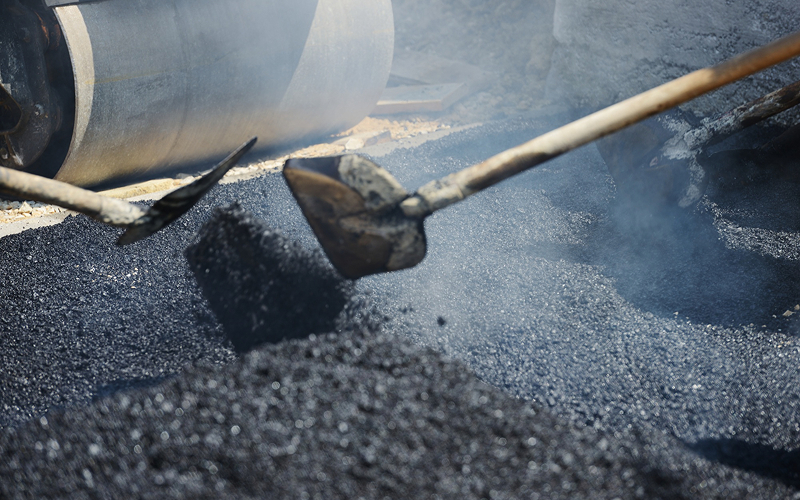
Hot mix asphalt (HMA) is produced by heating aggregates and bitumen at high temperatures, creating a dense and well-bonded mixture. Once transported to the site, it must be laid and compacted while still hot to achieve optimal structural performance.
Hot mix asphalt is widely preferred for projects that demand long-term durability and strong structural performance. It delivers excellent load-bearing capacity and high resistance to rutting and deformation. Given its reliable water resistance when properly compacted, this material is suitable for high-traffic and heavy-duty applications.
However, it is not always the most flexible option. Installation requires dry and suitable weather conditions, along with specialised equipment and skilled crews. It also involves higher upfront production and logistics costs. Despite these considerations, hot mix asphalt remains the industry standard for projects where performance and longevity are critical.
Key Characteristics:
- High-temperature production and installation
- Strong bonding between aggregates
- Dense, durable pavement structure
Where It Is Commonly Used:
- Expressways and highways
- Airport runways
- Industrial and heavy-duty roads
- Urban roads with high traffic load
- Large-scale resurfacing projects
What is Cold Mix Asphalt (CMA)?
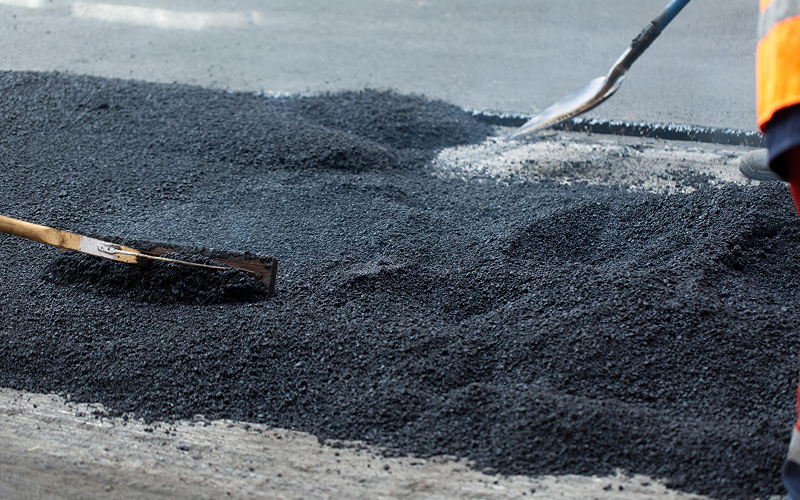
Cold mix asphalt (CMA) is produced without heating, using emulsified or cutback bitumen. This allows it to be applied directly at ambient temperatures and in a wide range of weather conditions. With lower upfront costs for small-scale projects and minimal equipment requirements, this material provides a practical and efficient solution for immediate road repair needs.
However, its performance is more limited compared to hot mix asphalt. Cold mix offers lower durability, so it may not be suitable for high-traffic or structural applications. As such, it is best regarded as a short-term or maintenance solution rather than a material for long-term structural performance.
Key Characteristics:
- No heating required
- Easy to store and transport
- Ready for immediate use
Where It Is Commonly Used:
- Pothole patching
- Emergency road repairs
- Temporary road reinstatement
- Low-traffic or rural roads
- Maintenance works during wet weather
Hot Mix Asphalt vs Cold Mix Asphalt: What are Their Key Differences?
1. Durability and Structural Performance
Hot mix asphalt provides superior strength and long-term performance. It is designed to withstand heavy traffic loads and environmental stress. Meanwhile, cold mix asphalt is more suitable for temporary fixes or low-load applications. It does not offer the same level of compaction or resistance to deformation.
2. Installation Conditions
Hot mix requires controlled conditions, including proper temperature and dry weather, to achieve effective compaction. Cold mix, on the other hand, can be applied in less favourable conditions, including wet environments. It is ideal for urgent repairs.
3. Project Scale
Large-scale infrastructure projects typically rely on hot mix asphalt due to its durability. Smaller maintenance works, such as pothole repairs or patching, are more efficiently handled with cold mix asphalt.
4. Cost vs Lifecycle Value
Cold mix asphalt has a lower upfront cost, making it attractive for short-term needs. However, hot mix asphalt often delivers better lifecycle value due to its longer service life and reduced need for rework.
How to Choose the Right Asphalt for Your Project
Selecting the right asphalt premix involves more than comparing materials. It requires a clear understanding of your project’s operational and technical requirements.
1. Traffic Conditions
High-traffic environments, especially those involving heavy vehicles, demand stronger materials. Hot mix asphalt is typically the preferred choice in these scenarios. For low-traffic areas or temporary access routes, cold mix asphalt can provide a cost-effective solution.
2. Project Objectives
If your goal is long-term infrastructure performance, hot mix asphalt offers the durability needed for sustained use. For immediate repairs or temporary reinstatement, cold mix asphalt allows faster deployment with minimal disruption.
3. Environmental Factors
Weather and site conditions play a major role in material selection. Hot mix asphalt requires suitable weather for proper installation, while cold mix asphalt offers flexibility in wet or cooler conditions.
When evaluating hot mix asphalt vs cold mix asphalt, the decision should always be guided by:
- The purpose of the project
- The traffic load and usage conditions
- The timeline and urgency of repairs
- The long-term performance expectations
There is no one-size-fits-all solution. The right choice depends on aligning material performance with project needs.
The Role of a Reliable Asphalt Premix Supplier in Singapore
Choosing between hot mix vs cold mix asphalt is only one part of the equation. Working with a reliable asphalt premix supplier in Singapore is also critical to project success. Quality control, consistency in material production, and proper application all contribute to the performance of the final pavement. A trusted supplier like United E&P ensures that the asphalt premix meets technical specifications and is delivered efficiently to the site.
Established in 2013, United E&P brings over three decades of industry expertise to road and infrastructure projects across Singapore. As a BCA-registered contractor under CR14 Asphalt Works & Road Marking and CW02 Civil Engineering, we have delivered high-performance outcomes for complex road and airfield projects. These include expressway maintenance and the construction of semi-rigid pavements for bus interchanges at various locations.
Our approach focuses on:
- Experience: Deep technical knowledge in asphalt systems
- Reliability: Consistent delivery within timelines
- Sustainability: Use of recycled materials and low-carbon processes
- Agility: Ability to respond to urgent repair needs
- Visibility: Transparent project tracking through digital systems
Get in touch and let us support you in selecting and implementing the most suitable asphalt solutions for each project.
Connect with us
If you have any questions or enquiries, feel free to reach out to our friendly team anytime; we’re here to assist you!
