


Types of Road Maintenance Explained: Preventive, Corrective and Emergency Works
Key Takeaways:
Understanding the Three Main Types Of Road Maintenance and How Each Works
- Preventive maintenance addresses early wear to extend road lifespan and reduce long-term costs
- Corrective maintenance repairs existing damage to restore safety and prevent further deterioration
- Emergency maintenance responds to urgent incidents to restore access and stabilise infrastructure quickly
Introduction
Road networks are essential to Singapore’s daily mobility, public safety, and economic activity. From logistics and transport to commercial operations, well-maintained roads support efficiency and reduce operational risks. To ensure long-term performance, structured maintenance strategies are required rather than ad-hoc repairs.
Understanding the different types of road maintenance allows developers and asset owners to plan more effectively, control costs, and maintain safe road conditions. Broadly, road maintenance falls into three categories: preventive, corrective, and emergency works. Keep reading for further insights.
What Are The Three Main Types Of Road Maintenance?
1. Preventive Road Maintenance
Preventive maintenance is a proactive approach focused on addressing minor issues before they develop into major structural failures. It is typically planned and based on regular inspections.
The purpose of preventive maintenance is to extend the lifespan of road surfaces by addressing early signs of wear before they worsen. This helps reduce long-term maintenance costs, as smaller issues can be resolved more efficiently than major repairs. At the same time, it supports the overall structural integrity of the pavement, ensuring it continues to perform under regular traffic conditions. By keeping roads in stable condition, it also plays a key role in minimising safety risks for users.
Typical Activities:
- Routine inspections to identify early signs of wear
- Crack sealing to prevent water infiltration
- Surface treatments such as sealcoating
- Minor repairs to prevent deterioration
- Upkeep of drainage systems, signage, and safety features
Water ingress is one of the main causes of pavement deterioration. If left untreated, small cracks may allow moisture to penetrate underlying layers. This potentially weakens the road structure over time. Early intervention helps prevent more extensive road repair in the future.
2. Corrective (Reactive) Road Maintenance
Corrective maintenance comes into play once defects have already formed. It is usually initiated following inspections, feedback from road users, or when visible signs of damage become apparent.
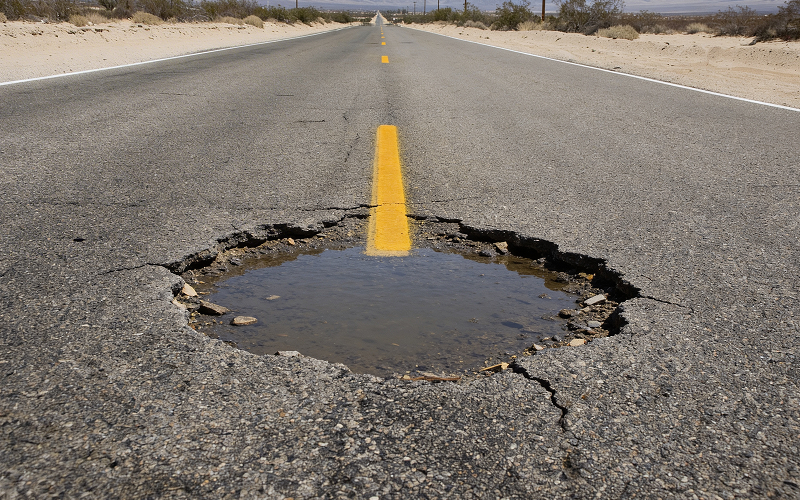
This type of road maintenance aims to restore road safety and usability by repairing damaged sections that may affect driving conditions. It addresses emerging hazards such as potholes or surface failures before they worsen. By intervening at this stage, it also helps prevent further deterioration that could lead to more extensive and costly repairs.
Common Examples:
- Pothole patching
- Repairing damaged pavement sections
- Replacing broken drainage components
- Fixing surface failures or uneven areas
Potholes are a common example of corrective maintenance. They often form when existing cracks expand due to traffic load and water damage. While corrective works are necessary to maintain usability, relying heavily on reactive repairs may indicate gaps in preventive planning. Over time, frequent reactive interventions can increase maintenance costs and disrupt operations, particularly in high-traffic or commercial environments.
3. Emergency Road Maintenance
Emergency maintenance addresses unexpected events that pose immediate risks to safety or disrupt transport access. These works are urgent and require rapid mobilisation.
Emergency maintenance responds to unexpected events that pose immediate safety risks or disrupt access, requiring urgent mobilisation. Its purpose is to restore safe access as quickly as possible, address immediate hazards, and stabilise the affected infrastructure to prevent further damage.
Common Triggers:
- Flooding or storm-related damage
- Soil movement or slope instability
- Severe surface collapse
- Traffic incidents causing structural impact
Unlike planned maintenance, emergency works are unanticipated and often disruptive. They require contingency planning, experienced teams, and reliable equipment to ensure a timely response. While not all emergencies can be avoided, effective preventive strategies can reduce the severity of damage when extreme conditions occur.
Why a Structured Maintenance Strategy Matters
Road maintenance is most effective when it is approached as a continuous and structured process. Without proper planning, issues are often only addressed after they become visible, which can result in higher costs, increased operational disruptions, and greater safety risks over time.
A structured approach allows asset owners to anticipate potential deterioration, allocate resources more efficiently, and maintain consistent road performance across different usage conditions.
- Regular inspection schedules
- Early preventive treatments
- Timely corrective interventions
- Preparedness for emergency scenarios
By maintaining a consistent inspection and maintenance cycle, minor defects can be identified and resolved before they escalate into larger structural problems. Preventive maintenance helps reduce long-term costs while ensuring roads remain in stable condition. Corrective interventions address emerging issues promptly, preventing further deterioration and maintaining usability. At the same time, having contingency plans in place ensures that emergency situations can be managed quickly and effectively.
Over-reliance on corrective works often leads to higher operational expenses and may indicate underlying structural issues that have not been addressed early. Emergency repairs, while sometimes unavoidable, should remain the exception. A balanced and well-executed maintenance strategy ultimately supports safer road conditions, minimises disruptions, and extends the overall lifespan of the road network.
Supporting Long-Term Road Performance
Regardless of the types, road maintenance is not a one-time effort but an ongoing process that requires technical expertise and careful planning. Whether maintaining industrial access roads, commercial developments, or public infrastructure, the goal remains the same: to ensure durability, safety, and cost efficiency over time.
Working with an experienced road contractor in Singapore allows businesses to implement the right mix of preventive, corrective, and emergency solutions based on actual site conditions and usage demands.
Supported by a strong track record in delivering civil engineering works in Singapore, United E&P provides integrated road maintenance solutions. With in-house asphalt production and modern paving equipment, each project is carried out with consistent quality control from material preparation through to on-site execution.
Get in touch to discuss your road maintenance requirements and explore solutions that align with your project needs.
Connect with us
If you have any questions or enquiries, feel free to reach out to our friendly team anytime; we’re here to assist you!
