


Road Traffic Signage and Pavement Markings: Best Practices for Safety in Singapore

Key Takeaways
- Choose the right materials for road traffic signages: High-quality, reflective, and anti-skid coatings improve visibility, durability, and overall road safety.
- Follow LTA guidelines: Compliance with standards for road type, signage, and placement ensures predictable and safe driving behaviour.
- Prioritise placement and maintenance: Strategic positioning, regular inspections, and timely repainting help prevent accidents and maintain road markings over time.
Introduction
Road traffic signage are signs installed along roads to regulate driver behaviour, warn of potential hazards, and guide the safe and orderly movement of traffic. These signs work alongside pavement markings to provide clear, consistent instructions that help road users make informed decisions while travelling.
Navigating Singapore’s busy roads safely depends on more than just driver skill; it also relies on clear road traffic signage and well-maintained pavement markings. From bustling expressways to quiet residential streets, the effectiveness of traffic signs and lane markings can mean the difference between smooth traffic flow and sudden accidents.
Let’s explore the best practices behind their materials, placement, and upkeep, and how road authorities and contractors can create safer, more reliable roads for everyone.
Types of Road Traffic Signage Used on Singapore Roads
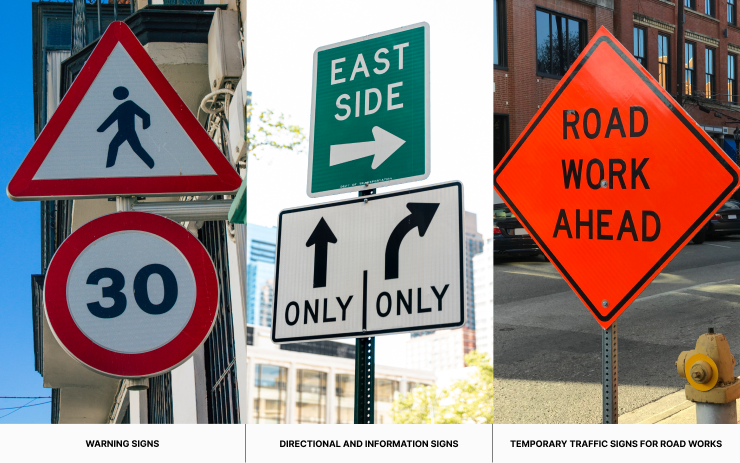
Road traffic signage in Singapore is designed to communicate clear, immediate instructions to drivers and pedestrians. Each type of sign serves a specific purpose, helping to manage traffic conditions, reduce confusion, and improve overall road safety.
Warning Signs
Warning signs alert road users to potential hazards ahead, giving them time to adjust their speed or driving behaviour. These signs are typically easy to recognise, often using bold colours and simple symbols to convey risk quickly.
For example, a “slippery road” sign may be placed before a stretch prone to rainwater accumulation, while a “road works ahead” sign prepares drivers for lane closures or uneven surfaces. In areas near schools or pedestrian crossings, warning signs help drivers remain alert to increased foot traffic.
Directional and Information Signs
Directional and information signs guide road users by providing details about routes, destinations, and nearby facilities. These signs support smooth traffic flow by helping drivers make timely decisions without sudden lane changes or hesitation.
Common examples include expressway signs indicating upcoming exits, route numbers, or directions towards key locations such as the Central Business District or airport. Information signs may also highlight nearby amenities such as petrol stations, rest areas, or public facilities.
Temporary Traffic Signs for Road Works
Temporary traffic signs are used during maintenance or construction activities to manage changing road conditions safely. These signs are typically installed for short-term use and are often supported by cones, barriers, or portable signboards.
For instance, signs indicating lane diversions, reduced speed limits, or temporary road closures help guide drivers through work zones. Clear and well-placed temporary signage ensures that traffic continues to move safely even when normal road layouts are disrupted.
Choosing the Right Materials for Longevity
Selecting suitable materials plays a key role in ensuring that road traffic signage remains clear, visible, and durable under Singapore’s demanding conditions. Factors such as heavy rainfall, high humidity, and constant traffic exposure make material choice especially important for effective road maintenance.
-
- High-Reflectivity Surfaces
Signage materials are designed to reflect light from vehicle headlights, ensuring that signs remain clearly visible at night or in low-light environments such as tunnels and poorly lit roads.
- High-Reflectivity Surfaces
-
- Weather-Resistant Materials
Durable signboards and coatings are built to withstand prolonged exposure to rain, heat, and humidity without fading, warping, or losing clarity over time.
- Weather-Resistant Materials
-
- UV-Resistant Finishes
Protective coatings help prevent colours and symbols from deteriorating under constant sunlight, maintaining legibility even after extended outdoor use.
- UV-Resistant Finishes
-
- Anti-Skid and Safety Enhancements
In areas where signage works alongside pavement markings, anti-skid materials improve surface grip, particularly in wet conditions where visibility and traction are critical.
- Anti-Skid and Safety Enhancements
-
- Long-Lasting Durability Under Traffic Stress
Materials used in high-traffic zones are selected for their ability to endure continuous environmental and mechanical stress, reducing the need for frequent replacement and supporting efficient road maintenance.
- Long-Lasting Durability Under Traffic Stress
Compliance with LTA Guidelines and Road Classification
All road traffic signage and pavement markings in Singapore must comply with Land Transport Authority (LTA) regulations, which vary depending on the type of road, arterial roads, expressways, or residential streets. These standards cover important aspects such as signage height, reflective properties, and proper positioning, ensuring that drivers can clearly interpret and respond to traffic rules. By adhering to these guidelines, road safety is enhanced, and traffic flows more predictably. Experienced road contractors in Singapore are skilled at implementing these requirements seamlessly, guaranteeing both legal compliance and safer roads for all users.
Proper Placement for Driver Clarity and Reaction Time
Even the most durable signage and high-quality pavement markings can be ineffective if they are poorly positioned. This is where strategic placement comes in, giving drivers enough time to read signs, interpret lane markings, and respond safely. For example, advance warning signs on expressways, clear lane markings before exits, and highly visible pedestrian crossings in residential areas all help motorists anticipate their next move. By reducing sudden braking, erratic lane changes, and other risky behaviours, thoughtful placement of signage and markings plays a crucial role in maintaining overall road safety.
Routine Maintenance and Reapplication Schedules
Pavement markings and signage are subject to wear and tear, especially in high-traffic zones. Fading paint or worn thermoplastic lines can compromise safety, making regular maintenance essential. Contractors implement scheduled inspections and repainting programmes to ensure road traffic signage remains visible at all times. Activities such as driveway pothole repair and road milling may also be coordinated alongside these maintenance routines, providing a comprehensive approach to long-term road safety.
Effective road traffic signage and pavement markings are more than just visual cues; they are critical for preventing accidents and ensuring smooth traffic flow. From selecting durable materials and following LTA specifications to strategic placement and routine maintenance, each step contributes to safer roads in Singapore. By working with experienced professionals, authorities and private developers can ensure their roads remain reliable, navigable, and secure for all road users.
Want to know more? Contact United E&P today to learn more about how our expertise in road safety solutions can benefit your project and keep Singapore’s roads safe for everyone
Connect with us
If you have any questions or enquiries, feel free to reach out to our friendly team anytime; we’re here to assist you!
